



Quick Answer: The biggest signs your furnace is going out include rising utility bills, strange noises, yellow pilot flames, uneven heating, frequent repairs, poor temperature control, and a furnace age between 15–20 years. If multiple symptoms appear together, replacement is usually safer and more cost-effective than repair.
Why Identifying the Signs Your Furnace Is Going Out Matters
The fastest way to prevent breakdowns is by recognizing signs your furnace is going out the moment they show up. Most homeowners ignore early warnings, but HVAC systems always show measurable symptoms before failure in performance, sound, air quality, or fuel efficiency.
Your furnace is made up of critical components such as the heat exchanger, burner assembly, flame sensor, blower motor, blower wheel, ignition system, thermostat, limit switch, exhaust vent, gas control valve, and condensate drain system. When even one of these parts starts failing, your comfort, safety, and heating efficiency suffer.
Sign 1: Frequent Repairs Indicate a Failing System
The clearest indicator among all signs your furnace is going out is repeated repair calls. If you’ve already worked with Plumbing experts for multiple fixes within the last two seasons, the furnace is likely breaking down internally.
Quick Fix
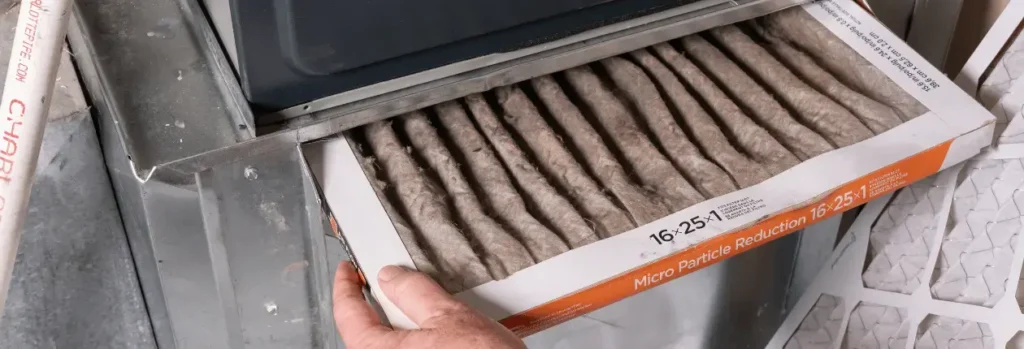
Replace air filters and inspect the flame sensor for buildup, these two issues often trigger repeated shutdowns.
Sign 2: Strange Noises Coming From the Furnace
Grinding, rattling, popping, squealing, or banging noises usually signal component wear inside the:
Blower motor
Blower wheel
Combustion chamber
Secondary heat exchanger
A healthy furnace runs quietly. Any new noise pattern is a red flag.
Expert Tip:
Different noises reflect different failures, squealing is typically a worn belt, rattling suggests loose components, and booming can indicate delayed ignition.
After addressing the noise symptom, many homeowners schedule professional Heating services to ensure deeper issues aren’t missed.
Sign 3: Yellow Pilot Flame or Flickering Flame
A pilot light should burn bright blue. A yellow pilot flame indicates incomplete combustion and may signal issues with:
Burner assembly
Gas control valve
Flame sensor
Airflow to the combustion chamber
Yellow flames also increase the risk of carbon monoxide production — one of the most dangerous heater failures.
Quick Fix:
Turn off the furnace immediately and check carbon monoxide detectors.
Sign 4: Uneven Heating or Cold Spots
When bedrooms or living spaces warm unevenly, your system may be losing efficiency due to:
Weak blower motor
Clogged air filters
Duct leaks
Failing heat exchanger
Poor thermostat calibration
Many homeowners notice this right after adjusting to a compatible thermostat for your heating system, which improves accuracy but reveals deeper furnace problems.
Sign 5: Short Cycling (Constant On/Off Patterns)
Short cycling is one of the most damaging signs your furnace is going out. It often stems from:
Overheating
Faulty limit switch
Incorrect furnace sizing (oversized or undersized furnace)
Dirty air filters
Ignitor issues
This behavior can cut furnace lifespan in half.
Sign 6: Furnace Not Turning On
If your system refuses to start, consider:
Ignition system failure
Bad thermostat wiring
Limit switch malfunction
Overheating shutdown
This is one reason many homeowners research advantages & disadvantages of ductless heating system, as ductless units avoid several ignition-related problems.
Expert Tip:
Check the thermostat batteries, a simple oversight causes 20% of “no-start” calls.
Sign 7: Furnace Is Blowing Cold Air
If your furnace is blowing cold air, this almost always means ignition failure or overheating. Cold air is typically caused by:
Broken ignitor
Flame sensor failure
Clogged air filters
Damaged heat exchanger
Thermostat misreadings
Cold air + rising bills is a strong indicator of end-of-life replacement.
Sign 8: Burning Smells or Electrical Odors
A burning smell or melting-plastic odor points to:
Wiring failure
Overheating blower motor
Failing control board
Dust accumulating in the combustion chamber
Quick Fix
Turn off the furnace immediately. Do not operate again until inspected.
Sign 9: Rotten Egg or Gas Smell
A rotten egg odor indicates a gas leak, the most dangerous furnace failure.
Other symptoms include:
Headaches
Musty or exhaust fumes
SOOT near vents
Pilot flame instability
This requires instant emergency action.
Sign 10: Excess Dust or Poor Air Quality
Dust buildup around vents or floating particles indicate failing:
Air filters
Blower wheel
Combustion problems
Duct leaks
If you recently noticed dust along with a heating bill so high, efficiency loss is likely happening internally.
Sign 11: Moisture, Rust, or Water Pooling Around Furnace
Moisture indicates:
Condensate drain system clogs
Rusting heat exchanger
Cracked exhaust vent
Internal corrosion
Water damage also accelerates furnace failure.
Sign 12: Rising Utility Bills Without Explanation
A sudden energy cost increase is one of the biggest signs furnace is going out. Inefficient combustion forces the furnace to work harder.
This table shows common causes:
Efficiency Problems That Increase Bills
| Issue | Impact on Bills | Related Component |
|---|---|---|
| Clogged air filters | +15% usage | Air filters |
| Failing blower motor | +20% usage | Blower motor |
| Cracked heat exchanger | +25% usage | Heat exchanger |
| Poor AFUE rating | +30%+ usage | Furnace age / AFUE |
Sign 13 — Furnace Age (15–20 Years Old)
Most furnaces last 15–20 years. After this age:
AFUE rating drops
Parts corrode
Repairs become frequent
Carbon monoxide risk increases
If your heater is older AND showing multiple symptoms, replacement is safer and cheaper.
Common Secondary Warning Signs
Thermostat misreading temperatures
Slow heating cycles
Burning dust smell at startup
Poor airflow from vents
Each of these supports the core signs your furnace is going out and often appears months before a full breakdown.
Troubleshooting Checklist Before You Replace the Furnace
Replace air filters
Test thermostat and wiring
Clean the flame sensor
Inspect the ignition system
Check the heat exchanger for cracks
If more than two items fail, replacement is the better option.
Tank or Electric Furnace? Troubleshooting Notes
If you own an electric furnace, symptoms like electric furnace not turning on or intermittent heating often come from:
Tripped breakers
Burned heating elements
Relay failure
Many electric units follow nortron electric furnace troubleshooting guides, but professional confirmation is always safer.
Replacement vs. Repair — How to Decide!
Use the 50% Rule:
Repair vs. Replace Comparison
| Condition | Repair | Replace |
|---|---|---|
| Under 10 years old | ✔️ | |
| Over 15 years old | ✔️ | |
| Frequent repairs | ✔️ | |
| Efficiency drop | ⚠️ | ✔️ |
| Safety issues | ✔️ |
Replacement is ideal when:
Repair costs exceed 50% of new furnace
You smell exhaust fumes
Energy bills rise consistently
Carbon monoxide detector triggers
When Professional Help Is Essential
Any problem involving:
Carbon monoxide leak
Gas leak
Cracked heat exchanger
Heat exchanger rust
Exhaust vent blockage
requires immediate professional diagnosis.
Contact Duty Calls Plumbing and Rooter LLC
When your furnace shows even one of these warning signs, acting early prevents breakdowns, safety risks, and expensive heating bills.
📞 Call Duty Calls Plumbing and Rooter LLC at (816) 945-2131
We provide fast diagnostics, honest repair recommendations, and high-quality furnace replacement options.
Restore comfort and safety, your home depends on it.
FAQs About Signs Your Furnace Is Going Out
What are the biggest signs furnace needs replaced?
Age, noises, yellow flame, cold air, rising bills, and repeated repairs.
What early signs your furnace needs repair?
Short cycling, slow heating, odors, and inconsistent airflow.
Why does my furnace lose efficiency?
Worn components reduce AFUE rating and airflow.
Is it dangerous if my furnace shows cracks or corrosion?
Yes, it can leak carbon monoxide.
Why does my electric furnace stop turning on?
Heating element failure or wiring issues.